დამოუკიდებელი აკრედიტაციის ორგანო, აშენებული დაწესებულებებისთვის, რომლებსაც სხვები ვერ აღწევენ.

The story
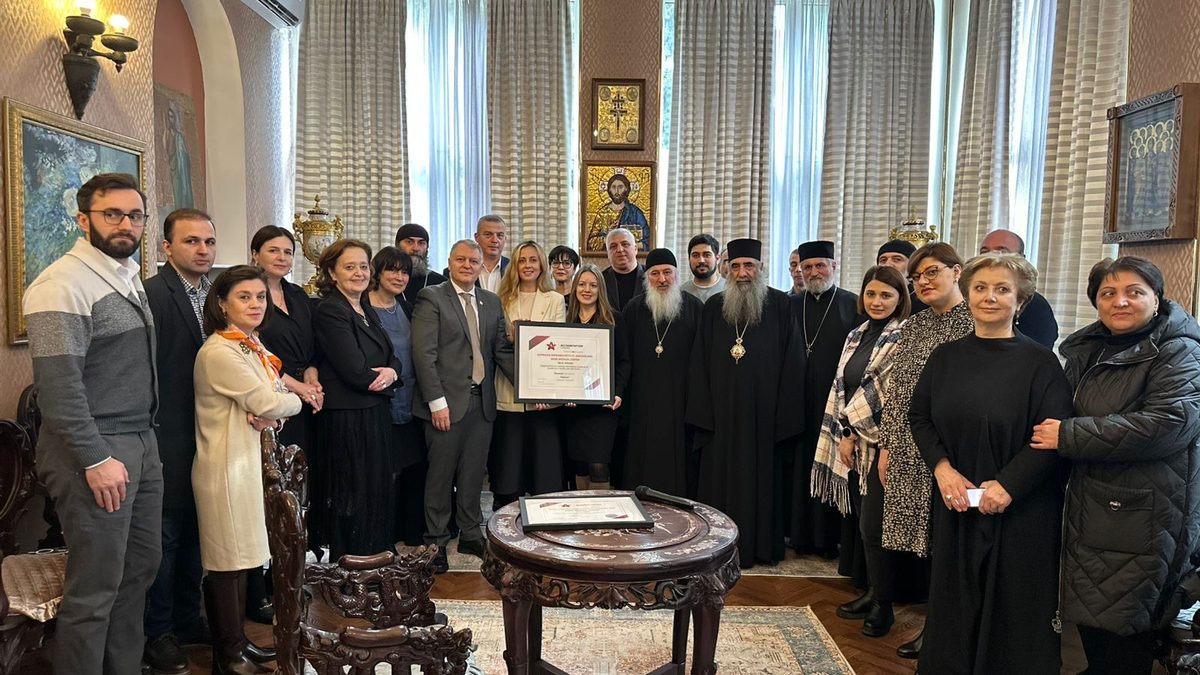
In 2014, a technical working group inside the საქართველოს საზოგადოებრივი ჯანდაცვის ინსტიტუტი (PHIG, founded 2011) made a decision that shaped the next decade of healthcare accreditation in the country: rather than build a Georgian accreditation body from scratch, PHIG would spend its early years convincing the country that accreditation belonged there at all. Its founders reasoned that Georgia’s hospitals did not need another local certificate nobody outside the country would recognize. They needed the real thing. PHIG’s technical group partnered with the country’s largest private healthcare provider and organized Georgia’s first missions by experts from a leading international accreditation body — the country’s first practical test of facility accreditation.
That door did not open by itself. Over the following years PHIG carried the argument directly into government — round after round of meetings with Georgia’s Ministry of Health, across successive ministries, making the case again each time leadership changed. By 2018 the advocacy had produced the first draft of an accreditation standard adapted to Georgian healthcare. In 2020 it produced something larger: the formal establishment of Accréditation Sans Frontières as an international legal entity in Paris, with its own standing technical authority, the ASF International სტანდარტები Council.
Between 2020 and 2022, PHIG, ASF and დავით თვილდიანის სამედიცინო უნივერსიტეტი united as the Accreditation Georgia Initiative. In 2021, 35 Georgian facilities applied to enter a pilot accreditation process against the adapted standard and 13 signed contracts; four were accredited — the first facility accreditations the country had ever recorded. In 2022 sustained engagement with the Ministry produced a government policy that Georgian hospitals should hold independent international accreditation, made law on 26 January 2023 through Order №4/ნ. PHIG’s role throughout was advocacy and education: bringing established international accreditation to Georgia, not competing with it.
The third edition of ASF’s standards, published in 2026, is the product of that history — shaped by consultation across countries and continents, reviewed by the International სტანდარტები Council on a three-year cycle, and published in full, in keeping with the principle that has guided this work since a handful of people in Tbilisi decided, in 2014, that Georgia’s hospitals deserved better than a standard invented just for them.
„ყოველ ქალს, ბავშვსა და მოზარდს აქვს უფლება ხარისხიან ჯანდაცვაზე. ჯანდაცვის დაწესებულებების დამოუკიდებელი აკრედიტაცია არ არის ფუფუნება, არამედ სასიცოცხლო ხელსაწყო, რომელიც ეხმარება მათ, მიიღონ სწორი გადაწყვეტილებები.”


სამი სათაო ოფისი, ერთი სტანდარტი
ყოველი ქალაქი აკეთებს რაღაც განსხვავებულს. სტრუქტურა არის დიზაინის არჩევანი: სტანდარტი, ინფორმირებული გლობალური მტკიცებულებით, დახვეწილი ევროპული ტექნიკური სიმკაცრით და დამტკიცებული რესურსით-შეზღუდულ პირობებში, სადაც ის პირველად აშენდა.
Four pillars, one Council
ASF’s work is organized the way the accreditation field itself is structured. The International სტანდარტები Council’s methodology draws on the World Health Organization’s guideline-development process, including the GRADE framework for weighing evidence certainty, adapted to the practical work of accreditation.
Governing Board
საბჭოს წევრები და ASF-ის ყველა პერსონალი შებოჭილია Code of Conduct-ით. არცერთ საბჭოს წევრს, საერთო დირექტორს, ან ASF-ს ან PHIG-ს, როგორც ორგანიზაციებს, არა აქვთ საკუთრების, მართვის ან შესყიდვის ურთიერთობა დაწესებულებასთან, რომელიც არის ან შეიძლება გახდეს ASF-ის აკრედიტაციის კლიენტი.
Legal identity
| Legal form | Association d’intérêt général à but humanitaire et non lucratif, loi du 1er juillet 1901 |
| Declared | Préfecture de Police de Paris, 18 ივნისი 2020 |
| Journal Officiel | 27 ივნისი 2020, განცხადება n° 1340 |
| RNA | W751257030 |
| SIRET | 888 076 817 00012 |
| APE | 9499Z |
| რეგისტრირებული office | 32 Boulevard de Rochechouart, 75018 პარიზი, საფრანგეთი |
| Telephone | +33 (0)7 53 90 22 63 |
| Legal form | არა-სამეწარმეო (არაკომერციული) იურიდიული პირი, საქართველო |
| რეგისტრირებული | 9 September 2011 |
| Registration no. | 404407815 |
| Address | 3 ბეთლემის აღმართი, თბილისი, საქართველო |
| Relationship to ASF | დამფუძნებელი პარტნიორი. ASF და PHIG იზიარებენ საბჭოსა და დირექტორს; ორივე დამოუკიდებელი არასამთავრობო ორგანიზაციაა. |
Independence
ASF-ის დამფუძნებელი ასევე ხელმძღვანელობს ქართულ სამედიცინო ჟურნალს, GMJ აკადემიას და ქართულ-ენოვან მედია საიტების ქსელს. ეს გადაფარვა იწვევს სამართლიან შემოწმებას, და ASF პასუხობს მას წერილობით: არცერთი ფასიანი ASF სერვისი — ტრენინგი, გამოცემა, წევრობის მხარდაჭერა, საკონსულტაციო — არასდროს მოქმედებს აკრედიტაციის გადაწყვეტილებაზე, და შეფასების ფილიალი ოპერაციულად გამოყოფილია მხარდაჭერის ფილიალისგან. ASF იყო ISQua-ს ინსტიტუციური წევრი 2023–2024-ში და მიჰყვება ISQua-ს პრინციპებს, როგორც საცნობაროს; მან აირჩია, არ ეძებნა ISQua-ს გარე შეფასება და ამას ამბობს. ASF შესაბამისობაშია ISO/IEC 17011-თან იმაში, თუ როგორ მართავს საკუთარ თავს და არ გასცემს ISO 9001 სერტიფიკატებს.
Read the დამოუკიდებლობისა და გავლენისგან-თავისუფლების განაცხადი → ყველაფერი, რასაც ASF აქვეყნებს საკუთარ თავზე →
The ASF/PHIG alliance
Accréditation Sans Frontières (Paris) and the საქართველოს საზოგადოებრივი ჯანდაცვის ინსტიტუტი (Tbilisi) are two independent non-profit organizations that operate as one, with a common board, management, vision and mission. Both promote independent healthcare accreditation and standards in emerging economies, fragile states and humanitarian settings, guided by medical ethics and the principles of impartiality, independence and neutrality — to improve the quality of care, protect patients and health workers, and improve how facilities perform. That is why the ASF standards carry the კრიზისი and გარდამავალი categories: accreditation in a crisis zone or a fragile system is where trust, safe resource use and donor confidence are hardest to establish and most needed.


ალიანსის ხედვა არის, რომ ASF/PHIG-აკრედიტებული დაწესებულება არის patient-centric — სასურველი უსაფრთხოებისა და ხარისხისთვის; physician’s choice — ძებნილი მომსახურების ხარისხისთვის და პერსონალის აღზრდისთვის; და community pillar — პატივცემული ხელმისაწვდომი, პასუხისმგებელი, ეფექტური აკრედიტაციისთვის, ჰუმანიტარულ გარემოშიც კი. მისი მოდელი ნებაყოფლობითია, სამეცნიერულად მხარდაჭერილი, შესაბამისობაშია ევროპულ სტანდარტებთან, როგორც საცნობაროსთან, და მიწოდებულია ეროვნული და საერთაშორისო ექსპერტების შერჩეული გუნდის მიერ. აკრედიტაციასთან ერთად, ალიანსი მართავს პაციენტისა და ოჯახის საბჭოს ინიციატივას, ქართულ სამედიცინო ჟურნალს, Sheni საზოგადოებრივი ჯანდაცვის მედია ქსელს, უსაფრთხო დანამატის საქართველოს ინიციატივას და ფიტნესის-სტანდარტების პროგრამას Georgia Active-თან — თითოეული გამჟღავნებული აქ, რადგან გადაფარვა იწვევს შემოწმებას.
Timeline
Go deeper
აკრედიტაცია საზღვრების გარეშე
Every ASF standard is published in full and free to reuse. Any organization building accreditation in its own country is welcome to ASF's knowledge and support.