

The Quarterly Cycle
Four lightweight cycles per year. Carry-forward default — the Coordinator only inputs what changed. No compliance fatigue. Quality improvement becomes operational routine, not periodic performance.
What Happens Each Quarter
| Element | Q1 | Q2 | Q3 | Q4 |
|---|---|---|---|---|
| Full self-assessment | ✓ | — | — | ✓ |
| Updates on changed criteria only | — | ✓ | ✓ | — |
| Evidence declaration (every YES) | ✓ | ✓ | ✓ | ✓ |
| Improvement Plan | Full | Progress update | Progress update | Final |
| Coordinator attestation | ✓ | ✓ | ✓ | ✓ |
| Director sign-off | ✓ | — | ✓ | ✓ |
Monitor verification runs on its own rhythm, not tied to a specific quarter: an annual virtual milestone review once a year, and a full in-facility verification at each 3-year renewal — see below.
The Evidence Declaration
Every YES answer requires a mandatory evidence statement — the specific document, record, or observation that supports this answer. The tool will not accept YES without it. This transforms the self-assessment from a checkbox exercise into an evidence record.
Example: Criterion: “A written hand hygiene protocol is displayed at every patient contact point.”
Required evidence declaration: “WHO 5 Moments poster laminated and mounted at all 14 patient contact stations — last checked [date] by [name, title]. Photo evidence ref: IMG_2024_04_17.”
The evidence inventory builds over four quarters. By Q4, the facility has a complete, time-stamped, named evidence record for every criterion — precisely what the Monitor needs for independent verification and the supervisor needs on visit day.
Annual Virtual Milestone Review
Once a year, remote. Document review plus video call with the Coordinator, against the cumulative quarterly record to date. Approximately 2–3 hours. No travel. No facility disruption. The Monitor produces a written milestone note confirming which gaps have been closed and which remain open — and calls a targeted on-site visit, outside this rhythm, if a specific case genuinely needs direct help.
Full In-Facility Verification at 3-Year Renewal
At each 3-year renewal, 1–3 working days at the facility, scaled to size and standard. The Monitor independently verifies 100% of criteria against observable evidence — not against the facility’s claims, against physical evidence: documents, observations, staff conversations, records. Every criterion receives a status:
| Status | Meaning | Next step |
|---|---|---|
| Verified | Evidence independently confirmed | Carried to the verification record as verified |
| Requires Evidence | Self-assessment plausible but evidence not located | Facility has 14 days to supply |
| Disputed | Monitor’s assessment differs materially from self-assessment | Monitor documents; ADC informed if unresolved |
This verification record is the primary evidence base for both the 3-year renewal visit and the ADC decision.
The Carry-Forward Default
A criterion that was met in Q1 and for which no change has been declared carries forward automatically to Q2 and Q3. The Coordinator only inputs changes. This keeps the quarterly cycle to a realistic 2–4 hours for an experienced Coordinator, rather than repeating the full assessment every quarter.
What prevents gaming the carry-forward? The Monitor independently verifies all carried-forward criteria at the 3-year renewal — not just the updated ones. And 5% of accredited facilities per year receive an unannounced re-verification that covers the full criterion set, regardless of what was carried forward.
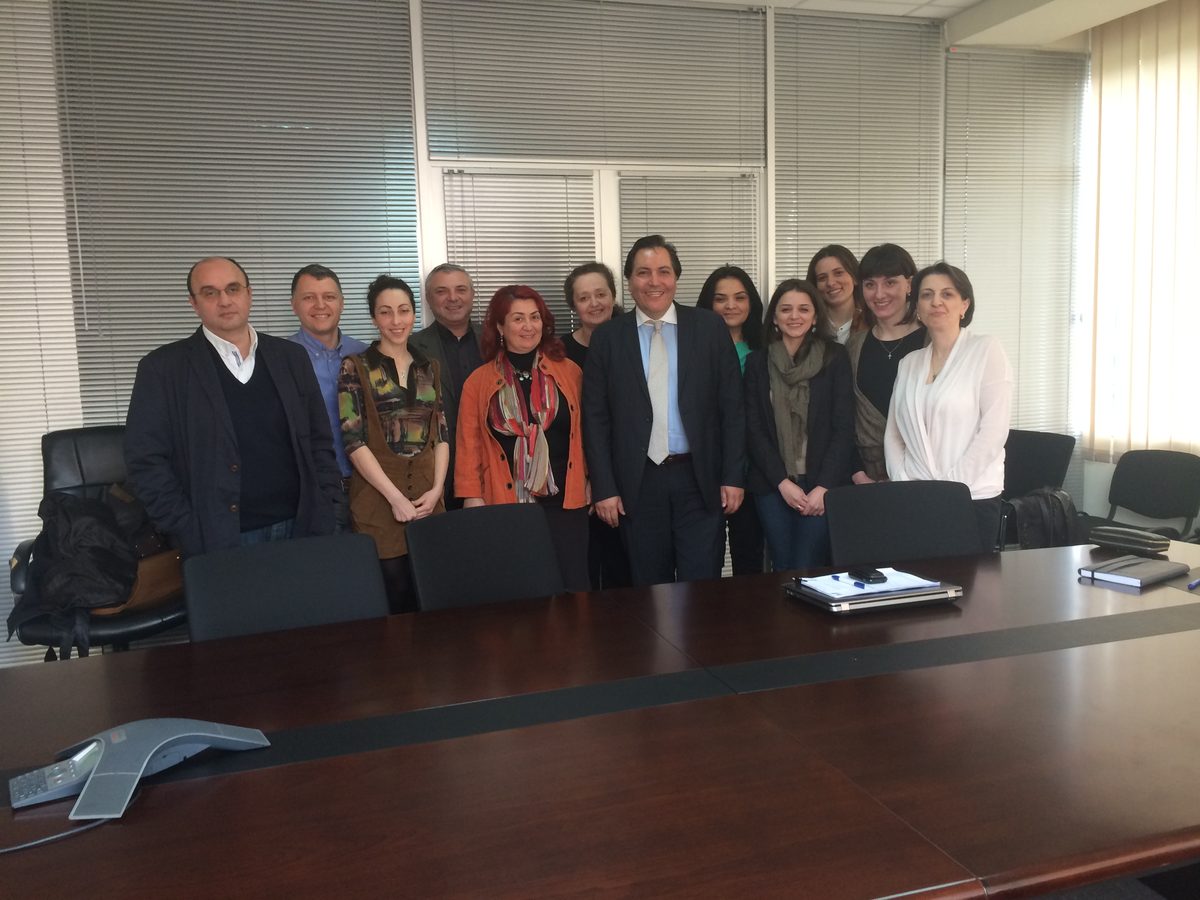
JCI expert visit, Tbilisi, April 2014 — verification methodology in practice
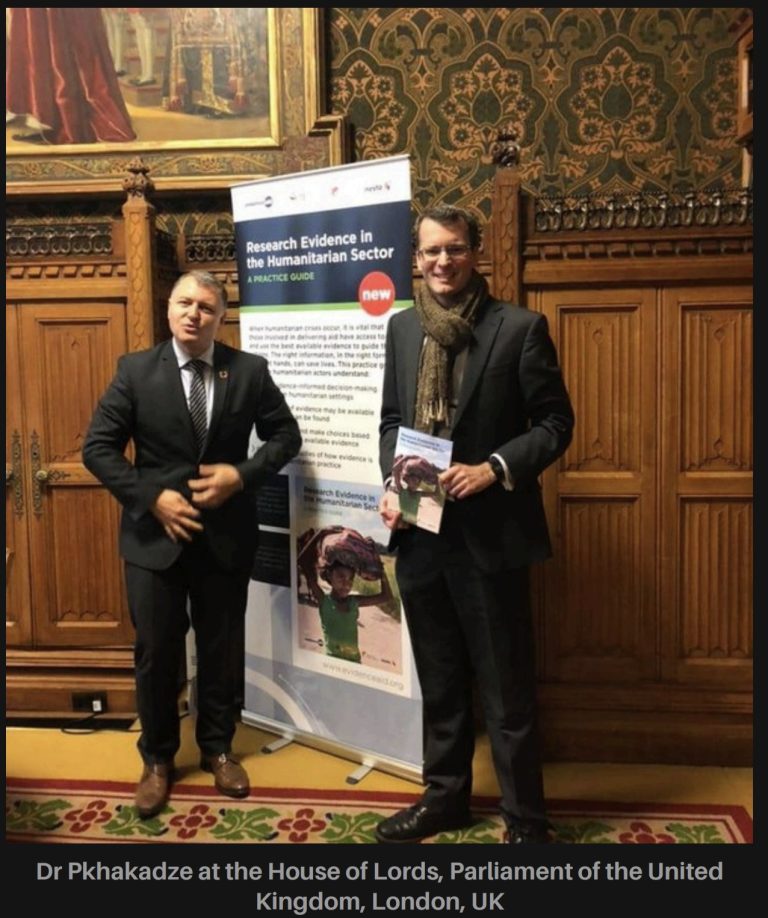
House of Lords, London, 2019 — ASF model presented to international policy audience