Chair, Public Health Institute of Georgia · UN IAP Member (2016–2021) · WHO Expert
In 2011, Prof. Pkhakadze founded the Public Health Institute of Georgia (PHIG) in Tbilisi — an independent, non-profit body dedicated to healthcare quality, public health research, and evidence-based policy. PHIG became the institutional foundation from which every subsequent accreditation initiative in Georgia would grow.
As Deputy CEO of Evex Medical Corporation — Georgia’s largest private healthcare provider with 40 facilities — Prof. Pkhakadze made a strategic decision that changed Georgian healthcare: he initiated the entire international accreditation process for Georgia, from scratch, in a country where no healthcare facility had ever been internationally accredited.
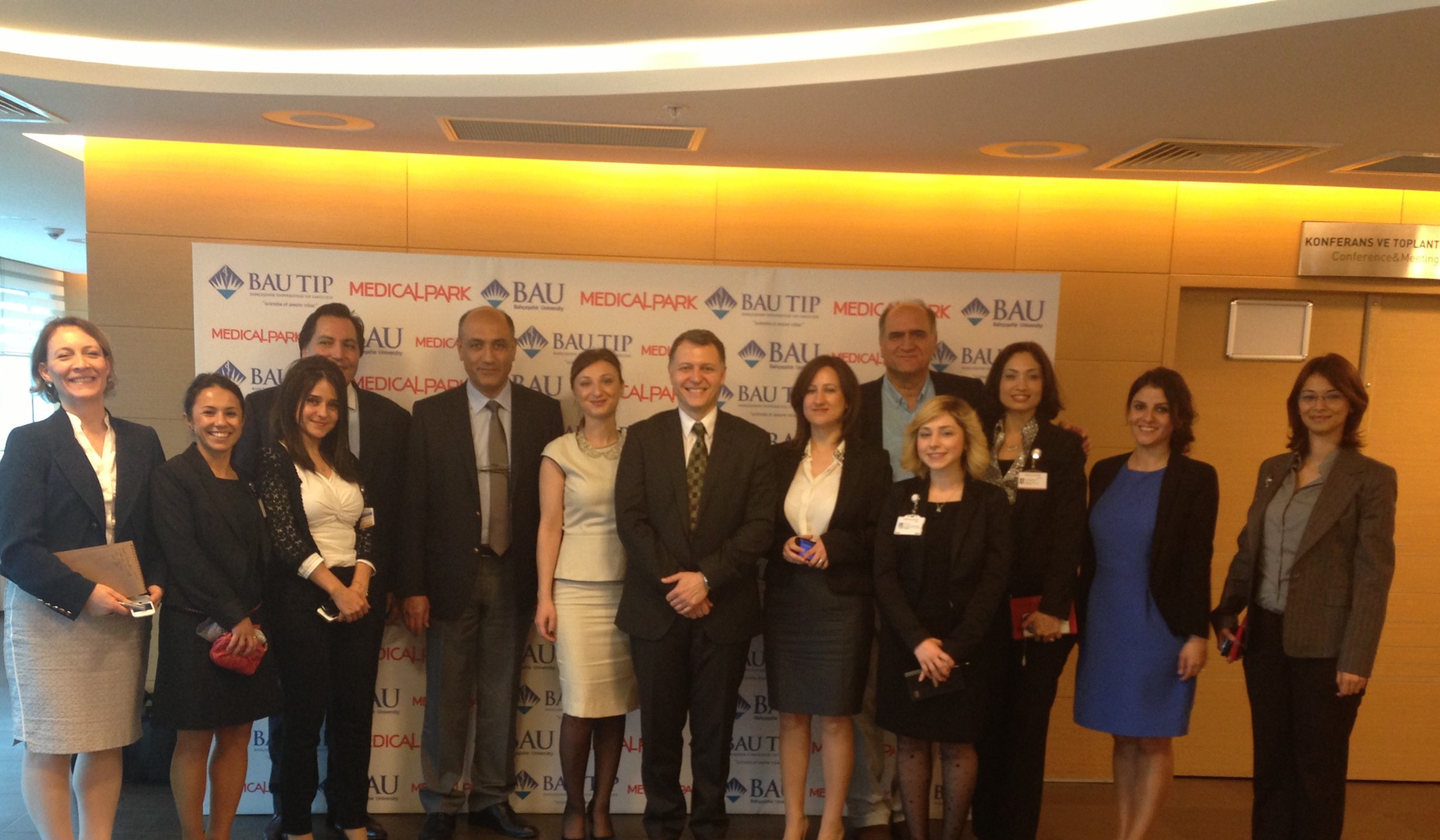
He invited Joint Commission International (JCI) experts to Georgia for the first time and personally organised a study visit to JCI-accredited hospitals in Turkey — so Georgian medical leaders could witness first-hand what internationally recognised quality looks like in practice. The groundwork laid at Evex became the template for every accreditation initiative that followed.
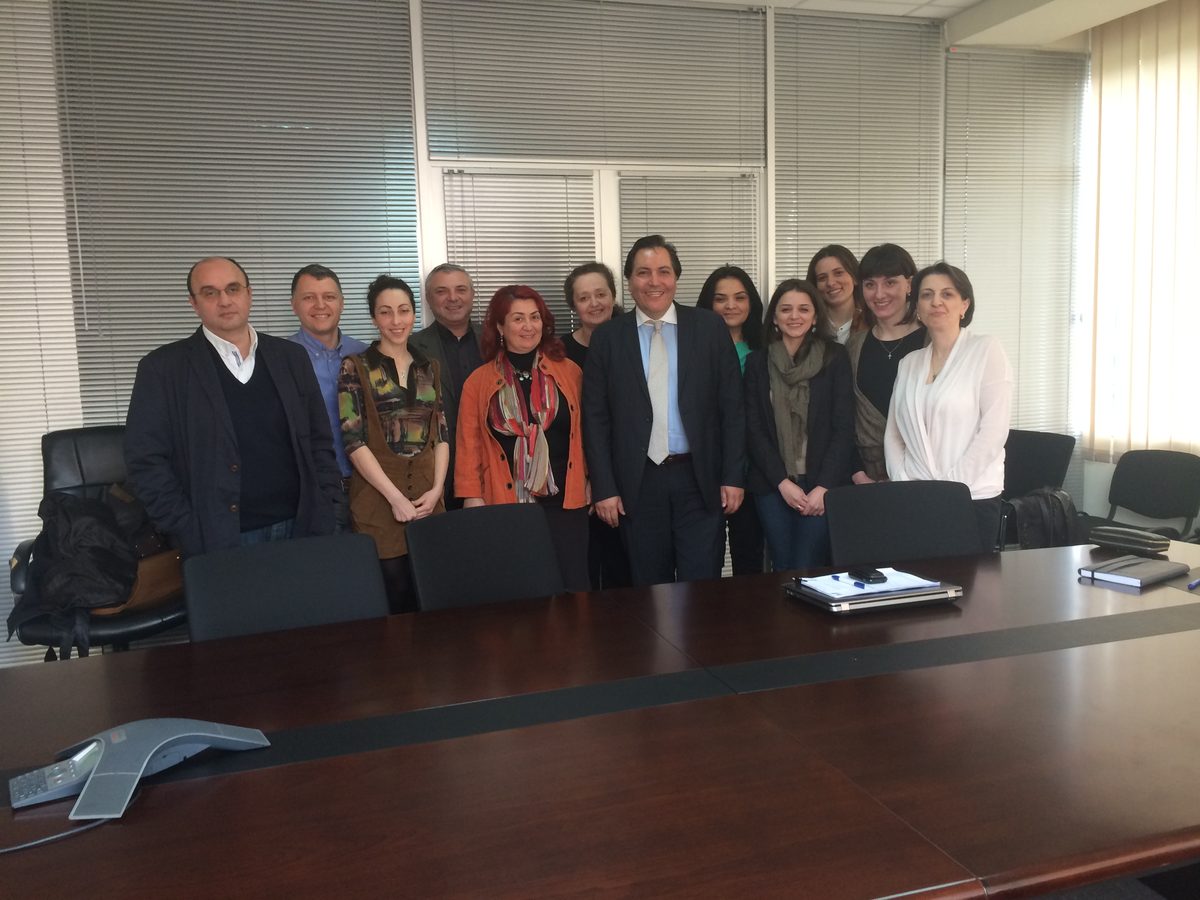
He also began documenting the state of medical record management across Georgian facilities — a problem so fundamental it would demand its own publication five years later.
Appointed by the UN Secretary-General as one of ten members of the Independent Accountability Panel (IAP) for the Global Strategy for Women’s, Children’s and Adolescents’ Health — the only independent accountability mechanism under the Sustainable Development Goals. For five years, Prof. Pkhakadze used this platform to consistently advance the case that independent accreditation is a fundamental accountability tool for any functioning health system.
“Every woman, child and adolescent is entitled to quality healthcare. Independent accreditation of health facilities is not a luxury — it is a vital tool to help them make the right decisions.”
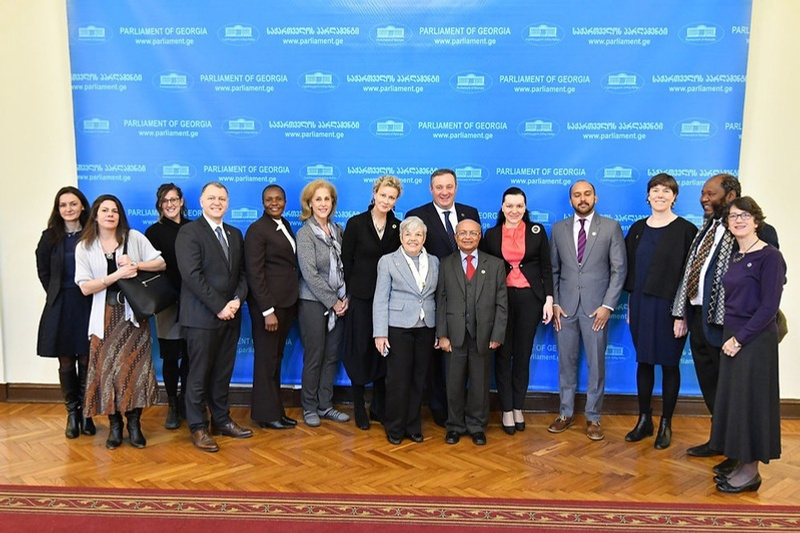
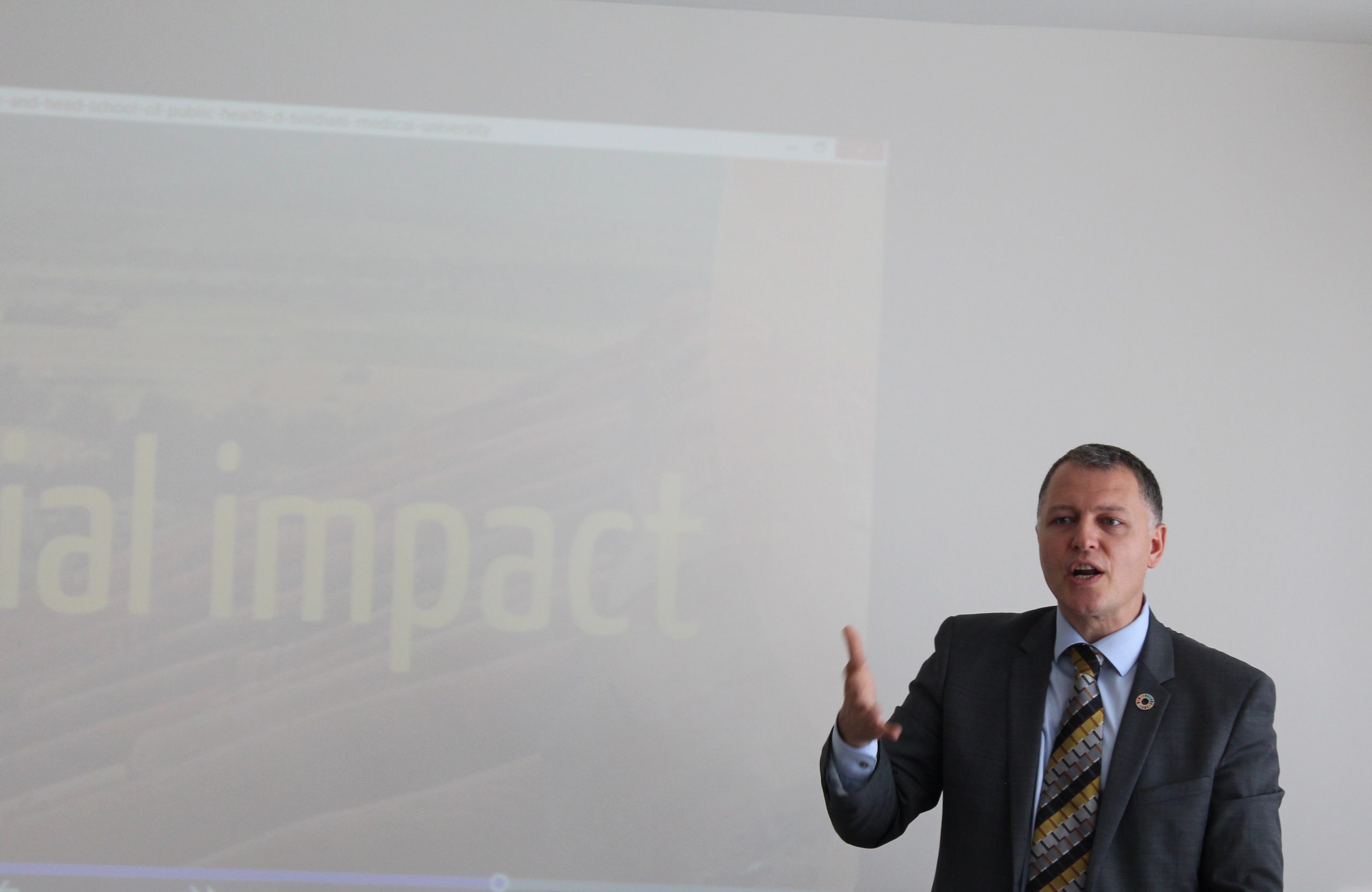
David Tvildiani Medical University formally proposed and endorsed a national accreditation and ISO 9001 quality programme for Georgian healthcare. This was a pivotal moment — accreditation moved from individual advocacy to endorsed institutional commitment, backed by one of Georgia’s leading medical universities, and was placed firmly within the academic research agenda of Georgia’s public health community.
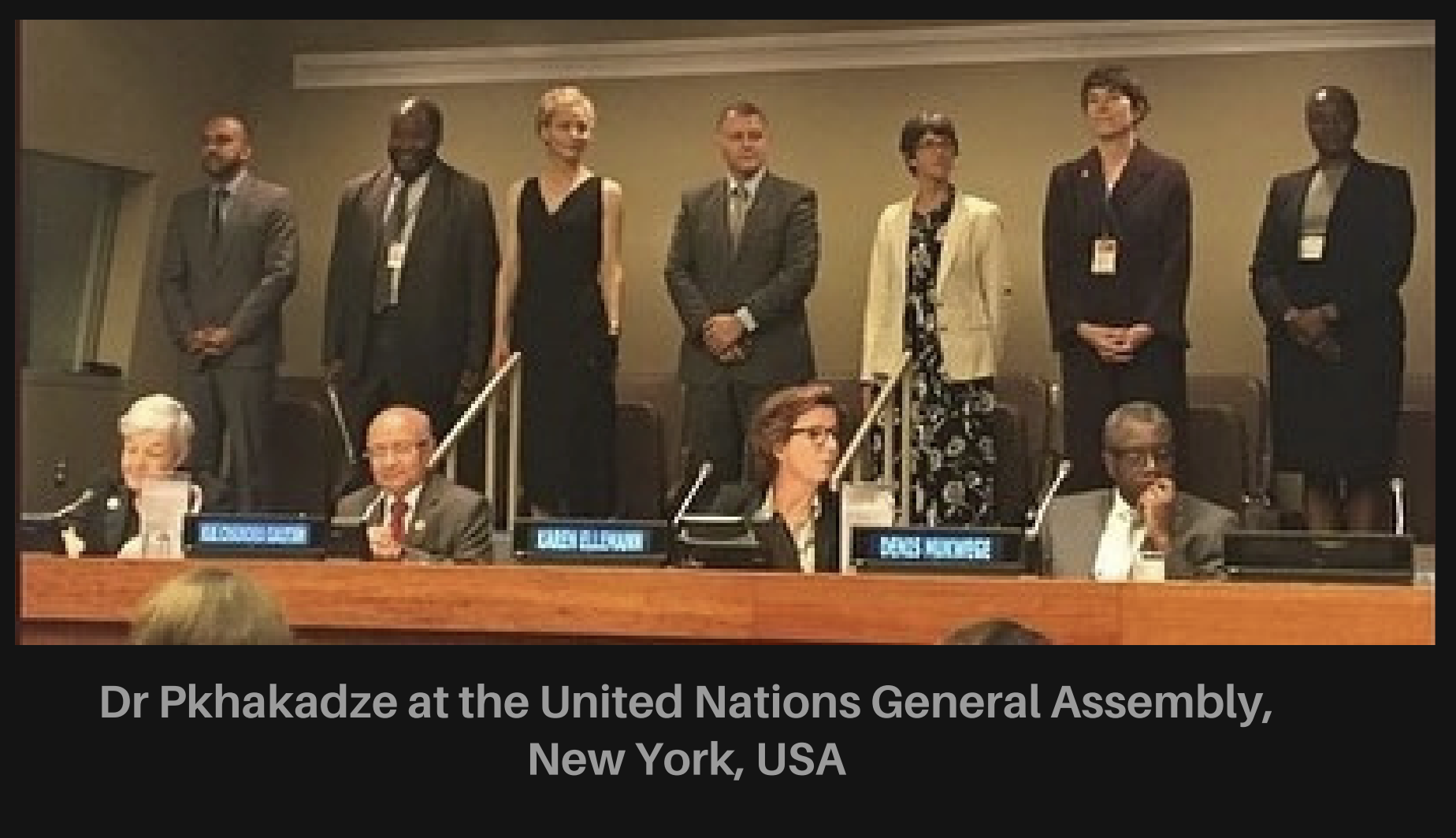
As one of ten IAP members, Prof. Pkhakadze co-authored the 2018 annual report — presented to the UN Secretary-General at the General Assembly in New York. The report made the case that independent accreditation of healthcare facilities is not a bureaucratic requirement but a fundamental accountability mechanism essential for any health system committed to protecting women, children, and adolescents. Published in full in the Georgian Medical Journal.
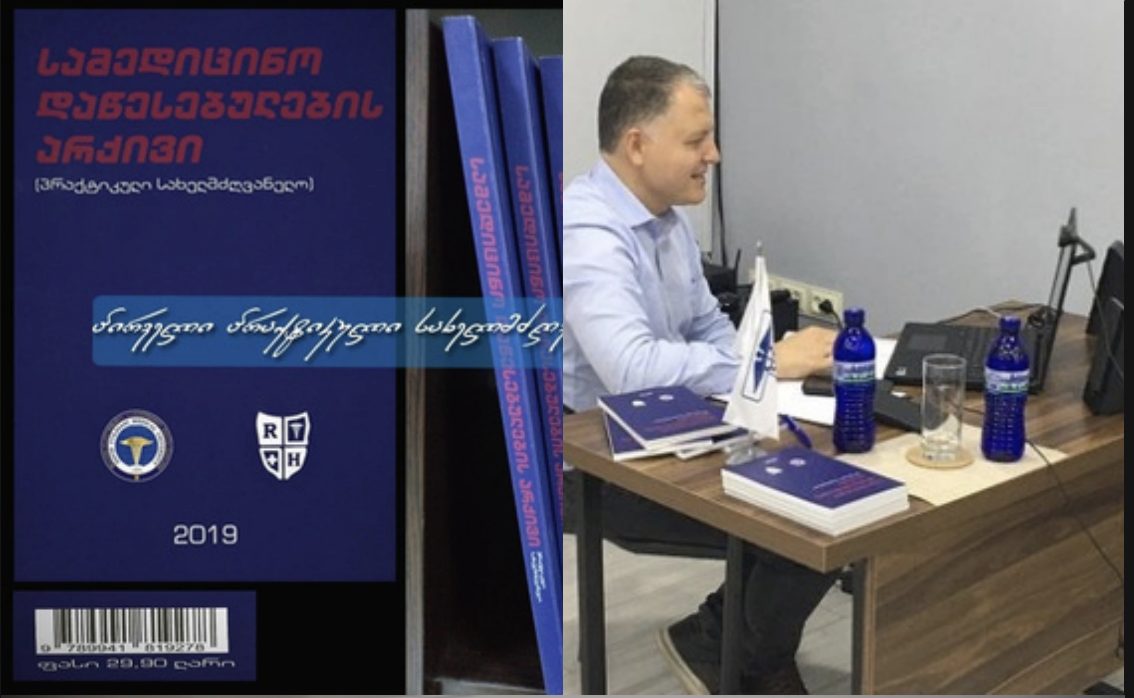
The chaotic medical records Prof. Pkhakadze had photographed in Georgian hospitals in 2014 became the subject of a landmark 2019 publication. He co-authored Medical Facility Archive: A Practical Guide — the first book of its kind in Georgia — establishing foundational standards for medical record management as a prerequisite for accreditation readiness. Published by DTMU.

Drawing on nine years of groundwork in Georgia, five years as a UN IAP member, and direct experience of JCI accreditation systems, Prof. Pkhakadze founded Accréditation Sans Frontières (ASF) — Accreditation Without Borders — in Paris in 2020. A non-profit international accreditation body, legally established under French association law (Association loi 1901), with offices in Paris, Geneva, and Tbilisi. ASF exists to bring credible, affordable, independent healthcare quality standards to every facility in the world — not only those that can afford international consultants.
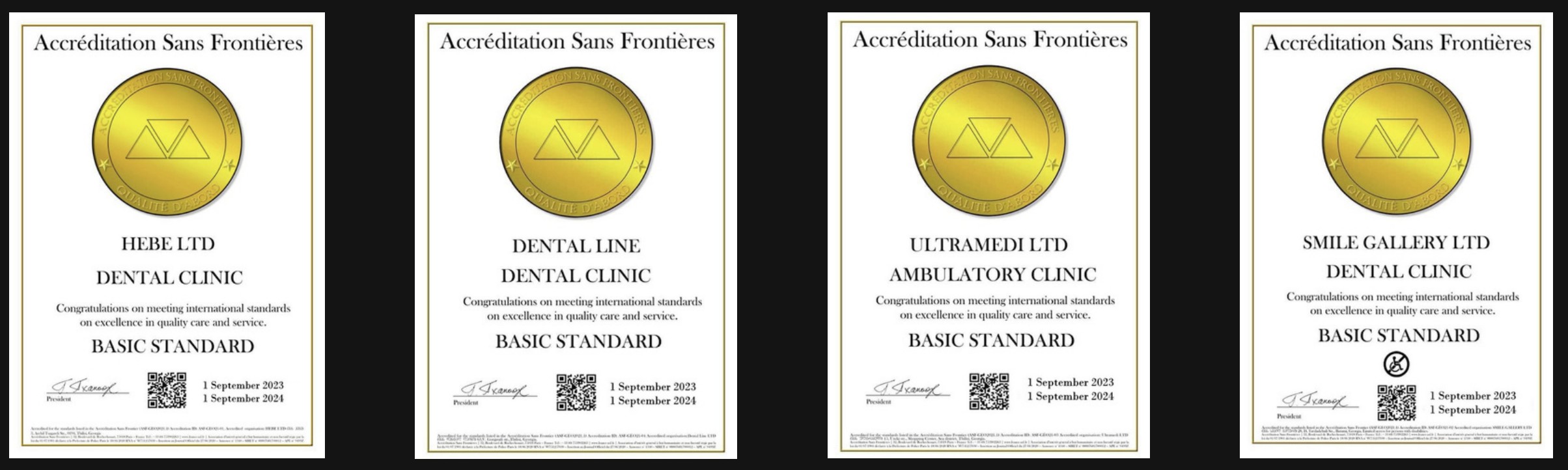
The Accreditation Georgia Initiative — launched jointly by PHIG, ASF, and DTMU — brought more than 50 Georgian healthcare facilities into a structured international accreditation programme. By the end of 2021, four facilities received formal ASF accreditation for the first time in the country’s history: Hebe Ltd Dental Clinic, Dental Line Dental Clinic, Ultramedi Ltd Ambulatory Clinic, and Smile Gallery Ltd Dental Clinic — all awarded the ASF Basic Standard. A second accreditation round followed, extending the programme further across the Georgian health system. This gave the Ministry of Health the evidence base it needed to act.
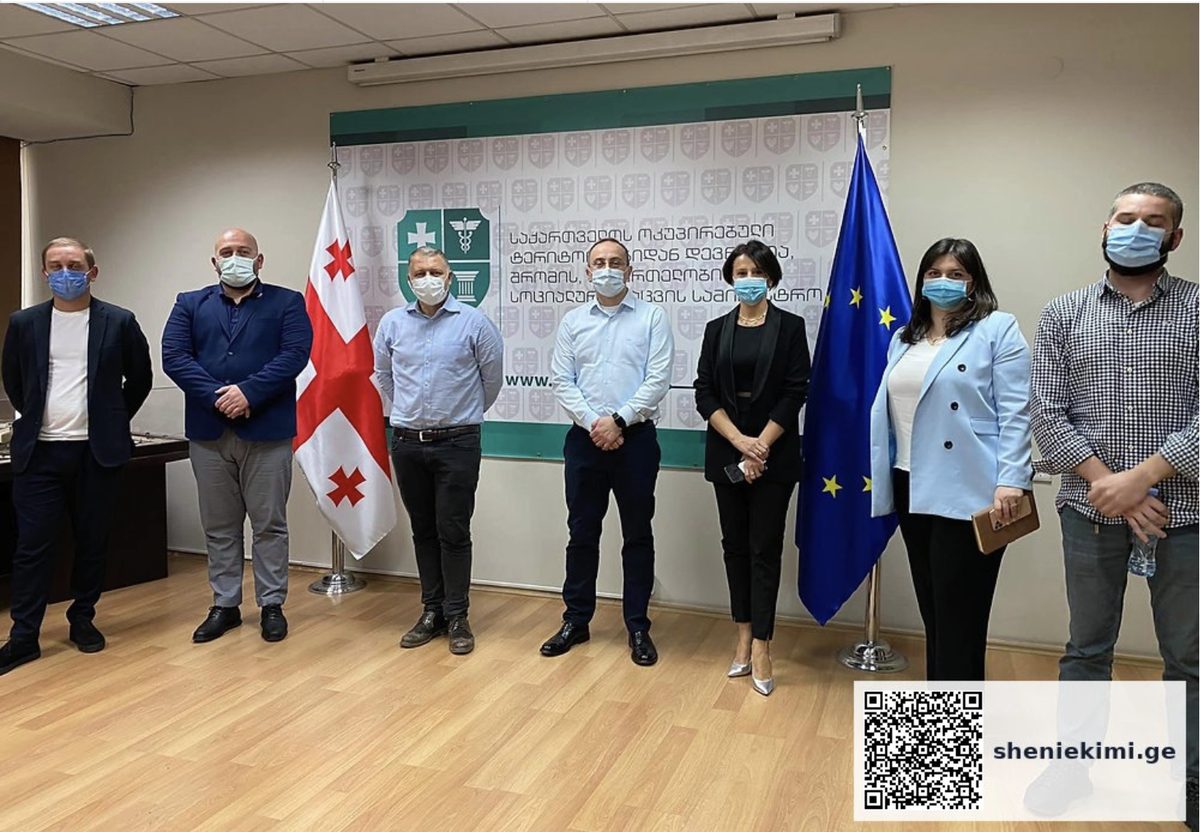
After eight years of sustained, evidence-based advocacy — study visits, parliamentary hearings, academic publications, and direct engagement with successive Ministers — the Minister of Health issued a formal decree making independent international accreditation mandatory for all Georgian healthcare facilities. A country with zero internationally accredited facilities in 2014 now had a legal mandate requiring all facilities to achieve accreditation.
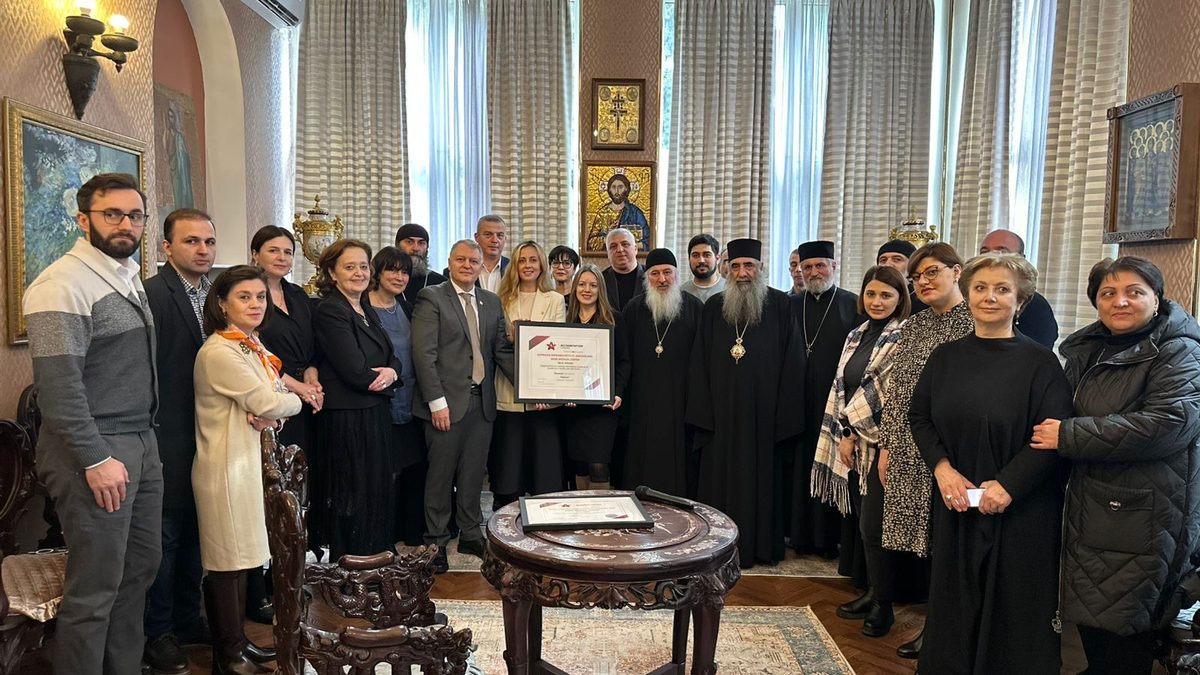
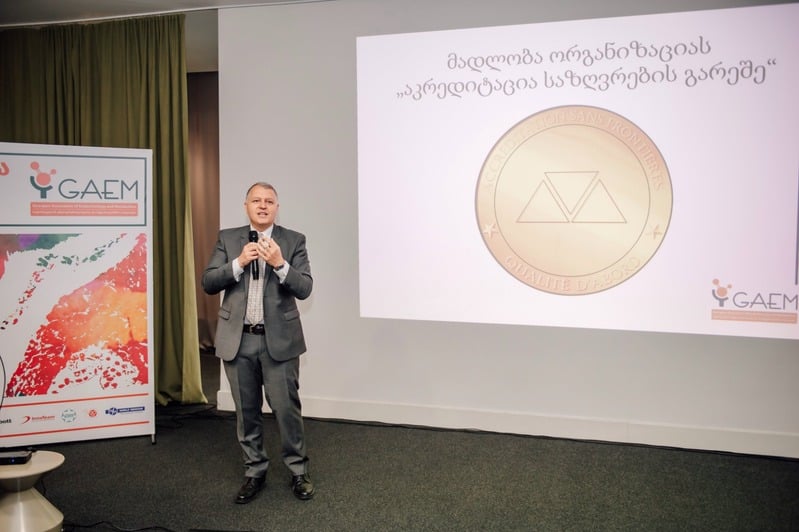
The professional medical community recognised ASF’s contribution publicly — at national conferences, in the medical press, and from the floor of the Georgian Parliament.
In January 2023, PHIG became the official national representative of Accreditation Canada (AC) — the world’s largest healthcare accreditation body — in Georgia. Through this partnership, 23–24 Georgian healthcare facilities are now actively undergoing international Accreditation Canada assessment. The ASF/PHIG alliance simultaneously runs its own independent accreditation programme, creating a dual international quality pathway for the Georgian health system.