How ASF Governs Itself
Four independent bodies. Seven permanent safeguards. Full public transparency. Designed from the first day to prevent ASF from becoming what it criticises.
The governing principle: No single body controls ASF. The organisation that sets standards does not make accreditation decisions. The body that makes accreditation decisions does not manage finances. The body that represents patients does not employ accreditation staff. These separations are structural — not procedural.
The Four Governance Bodies
Board of Directors
Strategic direction, financial oversight, and permanent compliance. Cannot make individual accreditation decisions. Cannot alter permanent safeguards without the required supermajority process.
Accreditation Decision Committee (ADC)
Makes all formal accreditation decisions. External majority — the majority of members have no financial relationship with ASF. Chair elected by ADC members, not appointed by ASF leadership. Two-thirds majority required to deny accreditation.
International Standards Council
Oversees standards development and revision. Clinical experts from multiple countries and disciplines. Manages the six-step revision process, mandatory equity review, and evidence base for each criterion. Conflict of interest register published publicly.
Patient and Public Council
Provides patient and public voice in ASF governance. Formal right of comment before any standards change is adopted. Manages the public concern reporting channel. Annual patient perspective note in the accountability report.
The Seven Permanent Safeguards
Seven provisions written into ASF’s founding statutes that cannot be changed by management decision or standard Board vote. These are the structural answer to the question: “What prevents ASF from doing what it criticises in others?”
Read the full permanent text →
Policies
ASF publishes all operating policies. These govern how ASF conducts itself — in governance, in standards development, in accreditation, and in its relationship with the public.
Child Safety & Vulnerable Populations
Digital Health & AI
Equality, Diversity & Inclusion
Environmental & Climate Health
Language & Translation
Open Access & Intellectual Property
Research Ethics & Human Subjects
Conflict of Interest
Transparency
Annual Accountability Reports
Full reports 2020–2025 — finances, accreditation outcomes, adverse events, complaint resolutions, standards changes.
Three-Layer Cost Disclosure
Full cost breakdown: ASF annual fee + external Monitor cost + Coordinator training cost. No hidden costs.
Fees and Income-Tier Pricing
Complete fee schedule, income-tier thresholds, non-profit tier. Published and fixed — no discretionary pricing.
Appeals and Complaints
How to appeal an accreditation decision. How to report a concern about an accredited facility or about ASF itself. Response commitments and timelines.
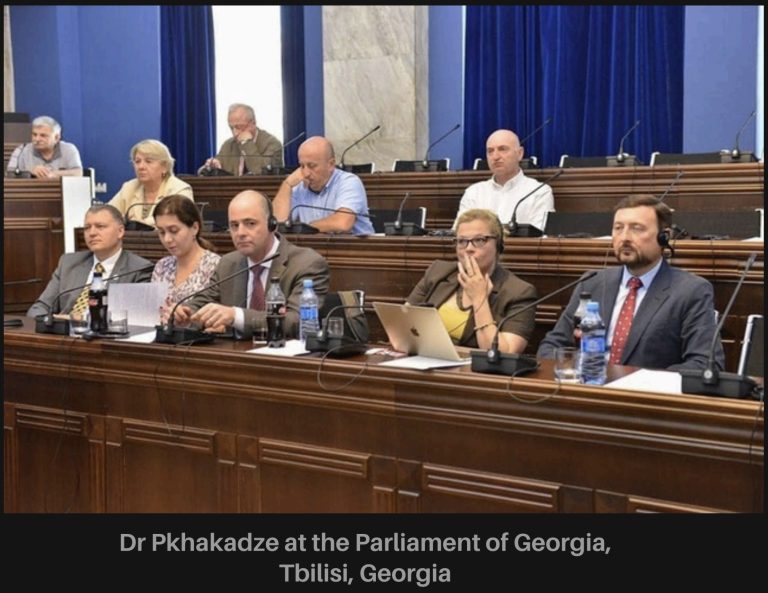
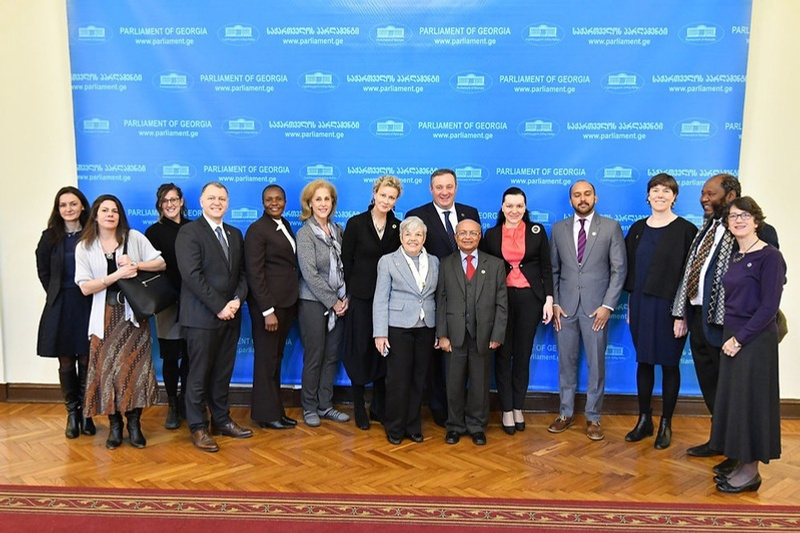
UN Secretary-General’s Independent Accountability Panel at the Parliament of Georgia — Prof. Pkhakadze, IAP Member 2016–2021
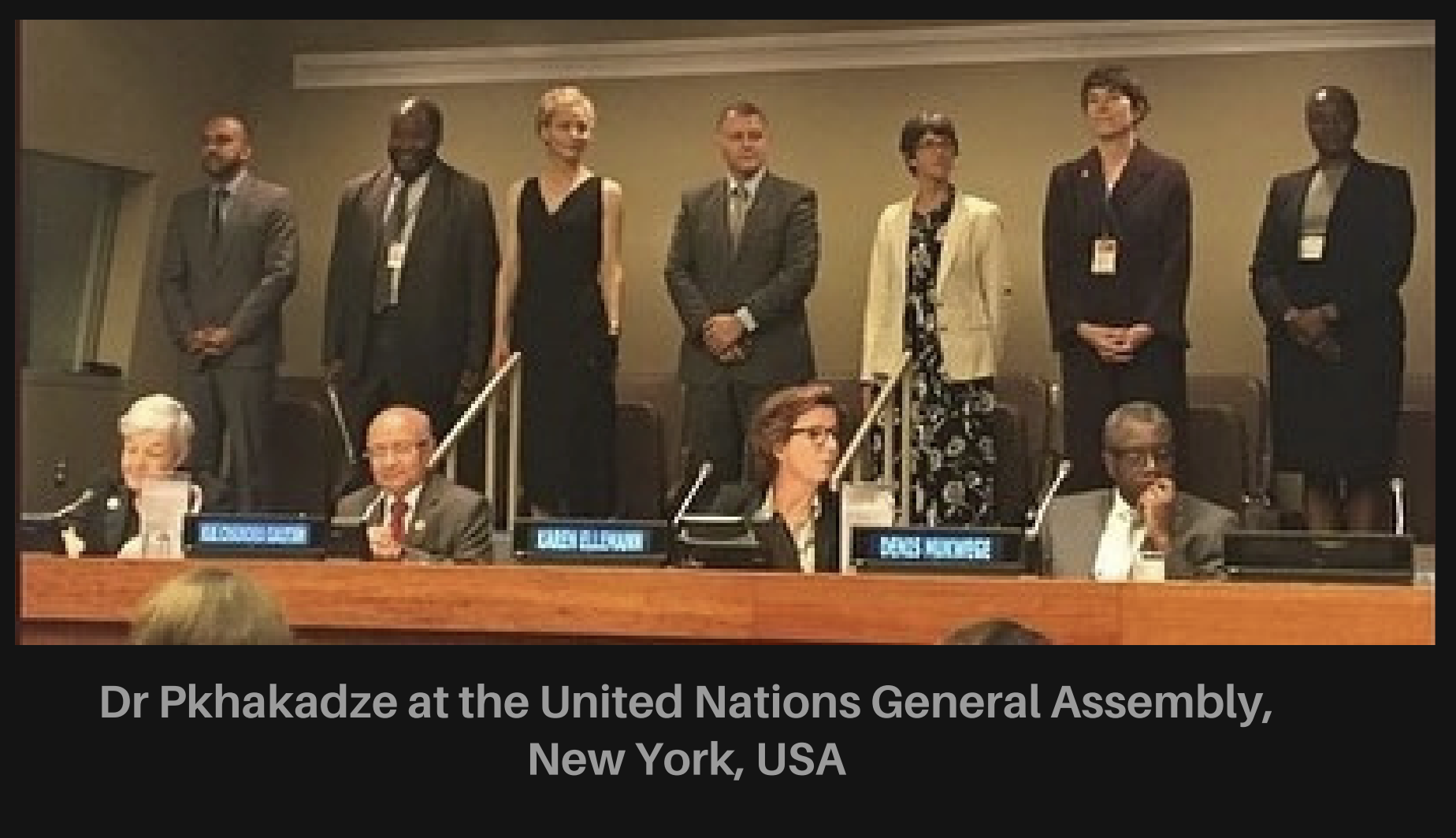
United Nations General Assembly, New York, September 2018 — IAP annual report presented to the UN Secretary-General
Sister framework. The Public Health Institute of Georgia (PHIG), ASF’s adapter and partner in Georgia, maintains its own policy framework of seventy-five policies written to EU, US, WHO/UN and bilateral donor standards at publichealth.ge/policies. The two frameworks are aligned in substance and kept separate because each organisation is accountable under its own law; where PHIG acts for ASF in Georgia, ASF’s policies apply to that work.