ASF Tourism — Version 2 (Final), September 2026
Evidence Base
Why each criterion exists, not just that it does. Where real incident data or a named standard supports an item, it’s cited directly. Where an item rests on established guidance rather than a specific statistic, that’s stated honestly too — not dressed up as something it isn’t.

Photo: Solio Ranch, Kenya, courtesy of Africa Calling Safaris
Three kinds of evidence, used honestly — not all the same strength
Not every criterion rests on the same kind of proof, and pretending otherwise would be dishonest. Each item below is grounded in one of these three, stated plainly rather than dressed up:
Documented incidents
Real deaths, injuries, or outbreaks with names, dates, and sources. CO detection, scalding, electrocution, balcony railings, fire egress, food poisoning.
Established international guidance
WHO, Codex Alimentarius, ISO, NFPA, recognised accreditation standards. Real, but a standard-setting body’s judgment rather than a specific body count.
Structural necessity
Self-evident from the nature of the business — a licence to legally operate, a named responsible person. Doesn’t need an incident to justify it.
This page sources the safety requirements themselves — why each criterion exists. For the separate research on why travellers and the market are already demanding this kind of independent verification — the booking-behaviour data, the five-year demand trend, the industry growth figures — see Why ASF Tourism.
Section 0 — Gateway
Business licence, health permit, fire certificate.
Baseline legal operation. ASF verification adds to local law; it cannot substitute for it — a facility without these isn’t eligible for anything else on this standard.
First-aid kit + trained staff.
Universal baseline for any guest-occupied facility; the specific case for extending this to include CPR is under Section 5 below.
Cold chain integrity; raw/cooked food separated.
These two are the two most common root causes of real-world food poisoning outbreaks, not an arbitrary pair — grounded in the
Codex Alimentarius (joint FAO/WHO food safety reference). Moved to the compulsory gateway specifically because food poisoning is the single highest-stakes, highest-reputational-cost risk this standard addresses — a tourist who gets sick doesn’t just blame the facility, they tell every other stop on their trip.
Section 1 — Water Safety
Source documented; tested/treated; storage covered; guest access; pool water; illness investigation; staff training.
Hot water/plumbing maintained to prevent Legionella.
Grounded in the same “Environment of Care” logic used in real healthcare accreditation — Accreditation Canada’s HVAC standards, the CSA Z317 series, Joint Commission Environment of Care standards all treat water-system maintenance as a genuine infection-control issue, not a comfort one.
Hot water at taps does not exceed 49°C/120°F.
Real, documented, and current: a 72-year-old guest died from scalding at a Marriott-branded hotel in California in 2024/2025, with reported water temperatures of 134–136°F against a 120°F legal limit. U.S. CPSC data estimates roughly 3,800 injuries and 34 deaths per year from excessively hot tap water alone. A 2023 study in the journal Injury Prevention identified over 52,000 ER visits and 110 deaths from tap-water scalds in a single three-year U.S. window. The fix (a thermostatic mixing valve) costs roughly $30.
Section 2 — Food & Dining Hygiene
Training, storage, hand hygiene, allergies, waste, illness investigation.
Grounded in the
Codex Alimentarius. The two highest-severity items (cold chain, raw/cooked separation) were deliberately promoted to the compulsory Section 0 gateway rather than scored here — see above.
Section 3 — Pest & Vermin Control
General pest protocol, treatment, infestation, mosquito, product safety.
No single global pest-control treaty exists; grounded in national public health and sanitation codes generally, and in Rwanda’s actual government requirement for a documented “Vermin Proofing Contract” specifically — see the
Recognized National Standards page.
Sewage and wastewater management.
A poorly managed sewage system is a direct entry route for pests, not a separate issue — added after the original pest-control criteria were found to assume good sewage management rather than check it.
Bed bugs — prevention, response, learning (3 criteria).
One of the most common, reputation-destroying real-world hospitality incidents. The three-part structure (prevent, respond, learn) is deliberate: a guest can bring bed bugs in from elsewhere, and a property with a strong, documented response shouldn’t score worse than one that simply never reported an incident.
Dangerous wildlife intrusion (snakes, etc.).
A direct, specific concern for rural, safari, and ground-floor properties, distinct from general “pest control” — raised directly in the course of building this standard.
Section 4 — Fire & Emergency Safety
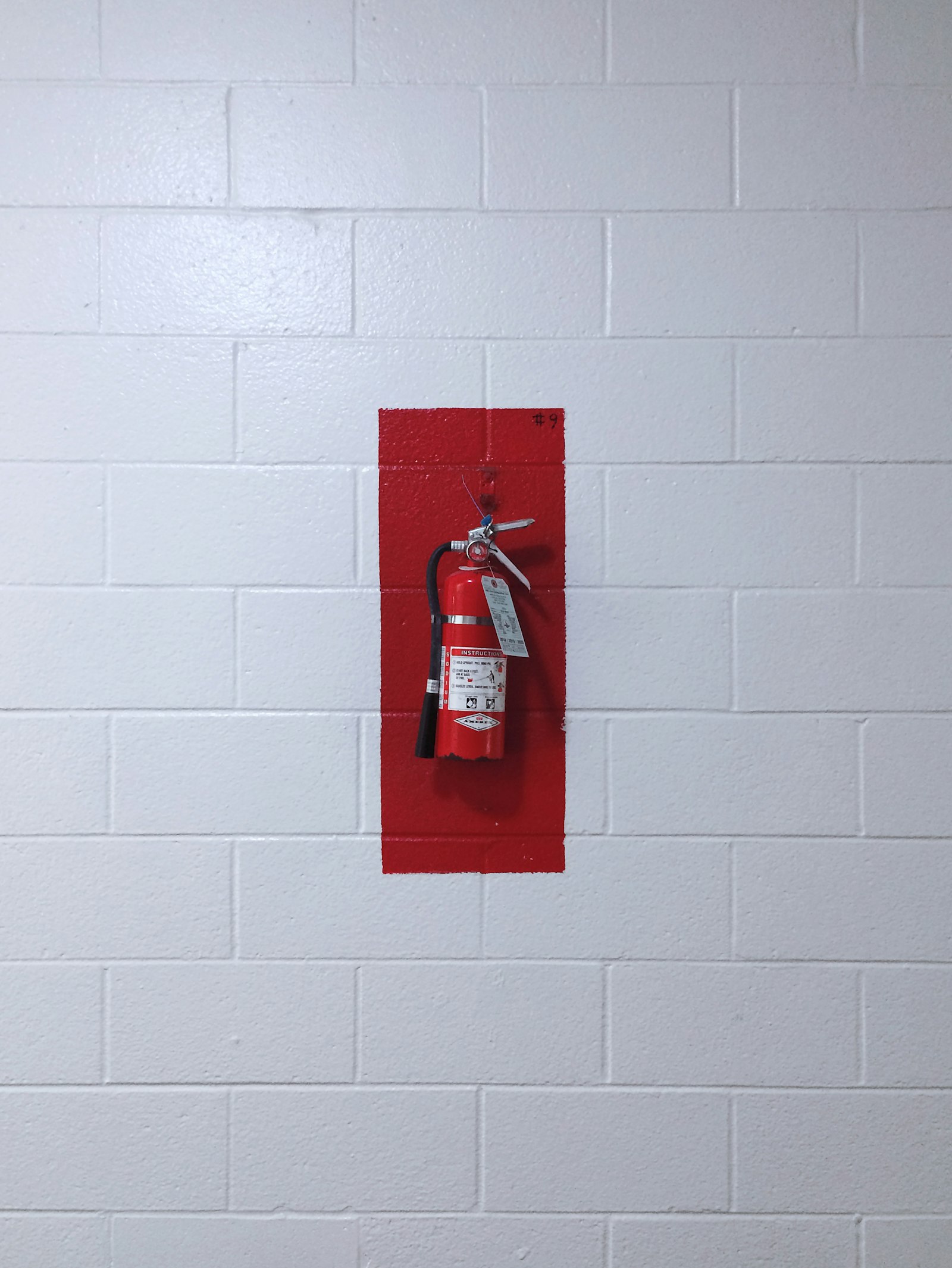
Extinguishers, exits, training, evacuation plan, guest info, electrical hazards.
Fire safety is regulated nationally almost everywhere; many national codes draw on the
NFPA 101 Life Safety Code, the most widely referenced hotel fire-safety standard internationally. Where a facility holds a valid national fire certificate, it’s accepted directly — see the deference principle on the Standard page.
Specifically on marked exits and guest orientation: peer-reviewed hotel evacuation research (Kobes et al., 2010) found that hotel guests are, structurally, unfamiliar with their building and escape routes in a way residents of a building are not — the exact reason this risk is distinct from a private home. NFPA’s own data attributes roughly 75% of all fire deaths to smoke-inhalation disorientation, not burns. This is not abstract: the Winecoff Hotel fire (1946, 119 deaths) directly caused U.S. building-code reform requiring protected egress; the Daeyeonggak Hotel fire (164 deaths) remains the deadliest hotel fire in recorded history, caused in large part by stairwells that were not usable as marked fire exits.
Carbon monoxide detector near every combustion source.
Real, current, and largely unregulated: documented 2024–2025 hotel CO deaths include a 14-year-old at a Costa Rica resort, three American women in a Belize hotel, and six Americans across two separate incidents. A 2019 study found 905 U.S. lodging guests poisoned by CO between 2005–2018, causing 22 deaths — with pool and water heaters identified as a leading cause. Active U.S. Congressional legislation (reintroduced June 2025) is still trying to mandate what almost no country currently requires by law.
Section 5 — Medical Emergency Response
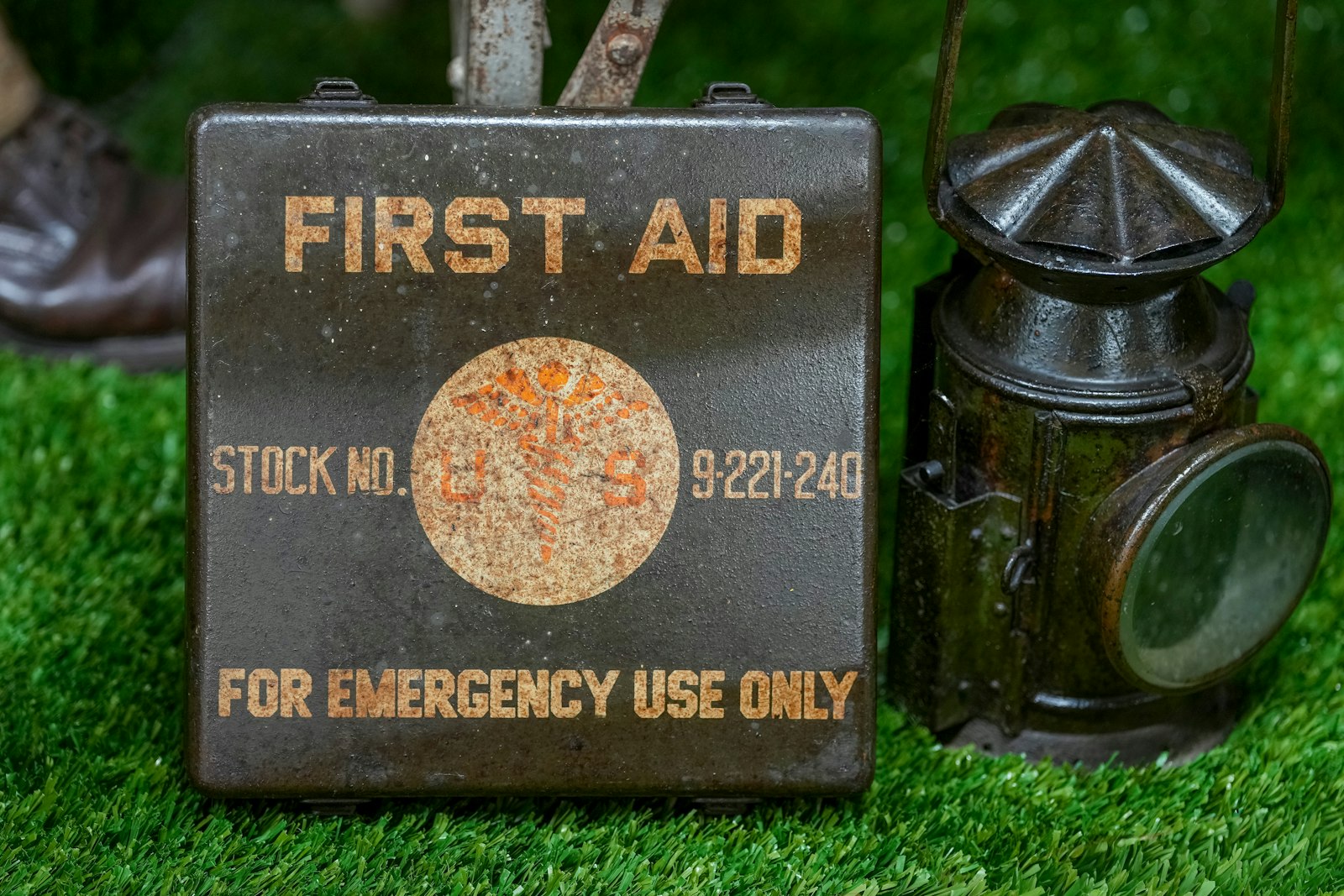
Capability disclosed, qualifications documented, written protocol, nearest hospital, evacuation method, CPR.
This whole section exists because fire response (Section 4) and medical response are genuinely different problems — a guest can have a cardiac event or a broken limb with no fire involved at all, and “we have a first-aid kit” is not the same as “we know exactly what happens in the next twenty minutes.” CPR specifically is called out because it is the one skill that actually determines survival in the first minutes of a cardiac event. A written protocol only matters if it’s actually followed: in July 2026, a San Diego jury ordered Hyatt to pay $15.5 million after staff failed to perform the wellness check their own procedure required when a diabetic guest missed checkout — she was found nearly 24 hours later and died of diabetic ketoacidosis (Ramirez v. Hyatt, San Diego County Superior Court).
Section 6 — General Hygiene & Cleaning
Cleaning protocols, linen, bathrooms, waste, ill staff.
AC/HVAC maintenance; bathroom ventilation.
Same “Environment of Care” logic as the Legionella item in Section 1 — poorly maintained air systems are a documented infection risk, not a comfort issue. Raised directly from real experience: an AC system that “isn’t cleaned properly” is a genuine, not hypothetical, hazard.
Lighting adequacy.
A genuine fall and injury prevention issue on stairs, walkways, and bathrooms specifically — not an aesthetic criterion.
Ground-fault (RCD/GFCI) protection on wet-area circuits.
Added after a real, personally reported bathroom electrocution. The U.S. Consumer Product Safety Commission has found that ground-fault devices could prevent over two-thirds of the roughly 300 home electrocutions occurring annually in the U.S. alone — most commonly caused by faulty water heater grounding, directly relevant to the electric shower heaters common in many markets ASF Tourism is looking at.
Section 7 — Guest Safety & Security
Emergency contacts, locks, pool safety, wildlife briefings, reporting process, transport.
Pool safety specifically was strengthened from a bare signage requirement to cover drowning and gas-heater CO risk directly, after reviewing the two leading real-world causes of harm at facility pools.
Sharp hazards and disposal.
Grounded in the same “Environment of Care” logic as sharps-management requirements in real healthcare accreditation (Joint Commission Environment of Care standards) — adapted for a non-clinical setting.
Balcony and railing safety.
Grounded in common international building-code minimums (roughly 1 metre railing height; no gap wider than 125mm, to prevent a child’s head passing through). A real, recent tragedy — the RICH nightclub railing collapse in San Luis Potosí, Mexico, June 2024, 2 deaths and 15 injuries from railing failure under crowd pressure — underscores this isn’t a cosmetic requirement.
Section 8 — Accessibility
One accessible room, bathroom, common area; staff awareness; emergency procedures account for disabilities.
Deliberately scoped to avoid demanding whole-building retrofits a historic property genuinely cannot provide. The fifth criterion exists because accessibility and emergency response were found to be treated as separate problems elsewhere — a deaf guest cannot rely on an audible alarm, and a wheelchair user cannot rely on a stairwell, so Sections 4 and 5 are explicitly cross-referenced here rather than silently assumed to already cover it.
Section 9 — Management & Continuity
Named responsible person, incident logging, refresher training, review and corrective action.
Grounded in
ISO 9001 management-system logic. Deliberately not Essentials-tagged for any item except the first two — formal management-system documentation is exactly the overhead a small, owner-operated property shouldn’t need to carry to be verified as safe.
Section 10 — Fall Prevention
Non-slip surfaces, grab bars, handrails, wet-floor signage, step warnings, trip hazards.
Slip-and-fall is documented as the single highest-frequency guest liability claim type at hotels, settling in the U.S. for roughly $30,000–$250,000 per claim. A real, specifically documented scenario — an older guest suffering a traumatic brain injury from a bathroom slip with no grab bar — directly justifies the grab-bar criterion. Hospitality-industry injury data shows slip/trip/fall accounts for 22–30% of all workplace injuries in the sector. This section was split out on its own specifically because it had previously been scattered across lighting and railing criteria in other sections rather than treated as the connected, high-frequency risk it actually is.
Section 11 — Allergen & Material Safety
Mattress/pillow protectors, hypoallergenic options, fragrance-free amenities, laundering schedule.
U.S. NIH data finds roughly 54% of Americans sensitive to at least one allergen; dust mite allergen specifically is a documented cause of rhinitis and asthma, not just discomfort, affecting roughly 1 in 10 people. A two-year-old, unprotected pillow can be up to 10% dust mite matter by weight. This is not a fringe concern — major chains including Hyatt have run dedicated “allergy-friendly room” programmes for exactly this reason. The criteria here focus on the one proven intervention (barrier-type protectors) plus genuinely low-cost options (fragrance-free amenities on request), not expensive room-by-room retrofits.
