 Accréditation Sans Frontières
ASF Tourism — Version 2 (Final), September 2026
Why ASF Tourism
A guest dies of carbon monoxide poisoning at a resort. A guest is scalded in a shower that ran 20 degrees hotter than it should. A guest is electrocuted in a bathroom with no ground-fault protection. None of these are rare. All of them are preventable. And almost nobody is independently checking for any of them.
The gap, stated plainly
Over 200 tourism certification schemes exist worldwide. Nearly all of them certify the same thing: environmental and social sustainability. Green Globe, EarthCheck, GSTC, Travelife, Green Key — real, serious organisations, doing real work. None of them independently verify whether the water is safe to drink, whether the kitchen prevents cross-contamination, whether a carbon monoxide detector sits near the pool heater, or whether staff on the night shift actually know CPR.
GSTC’s own Hotel Standard states plainly that health, safety, and security “fall under the responsibility of specialized authorities and are outside the scope of the standard set.” That’s an honest admission, not a flaw in GSTC’s work — but it leaves exactly the gap this page is about.
Photo by Chrissy on Unsplash, free to use under the Unsplash License
This isn’t theoretical. Here’s what’s actually happened.
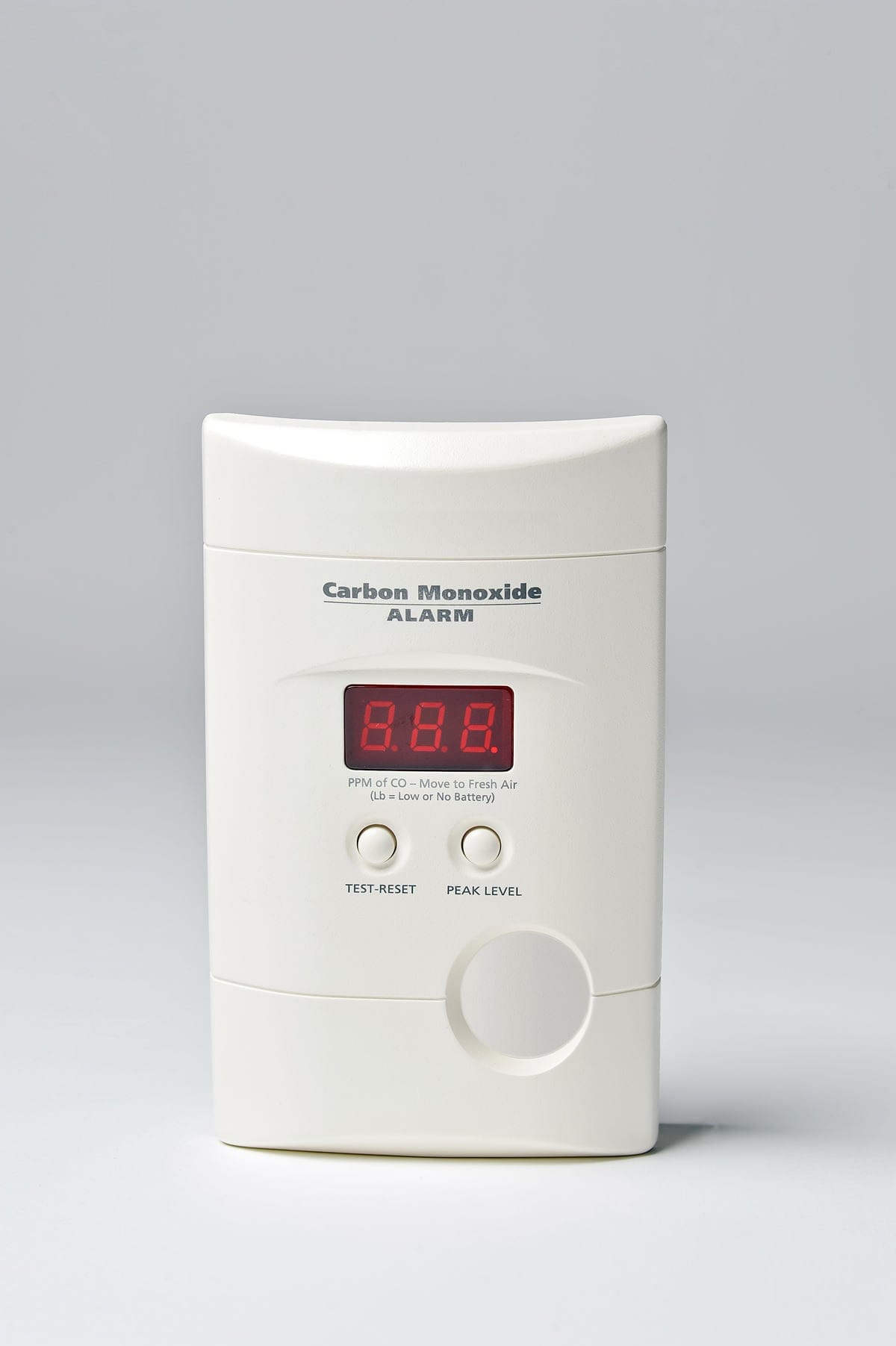
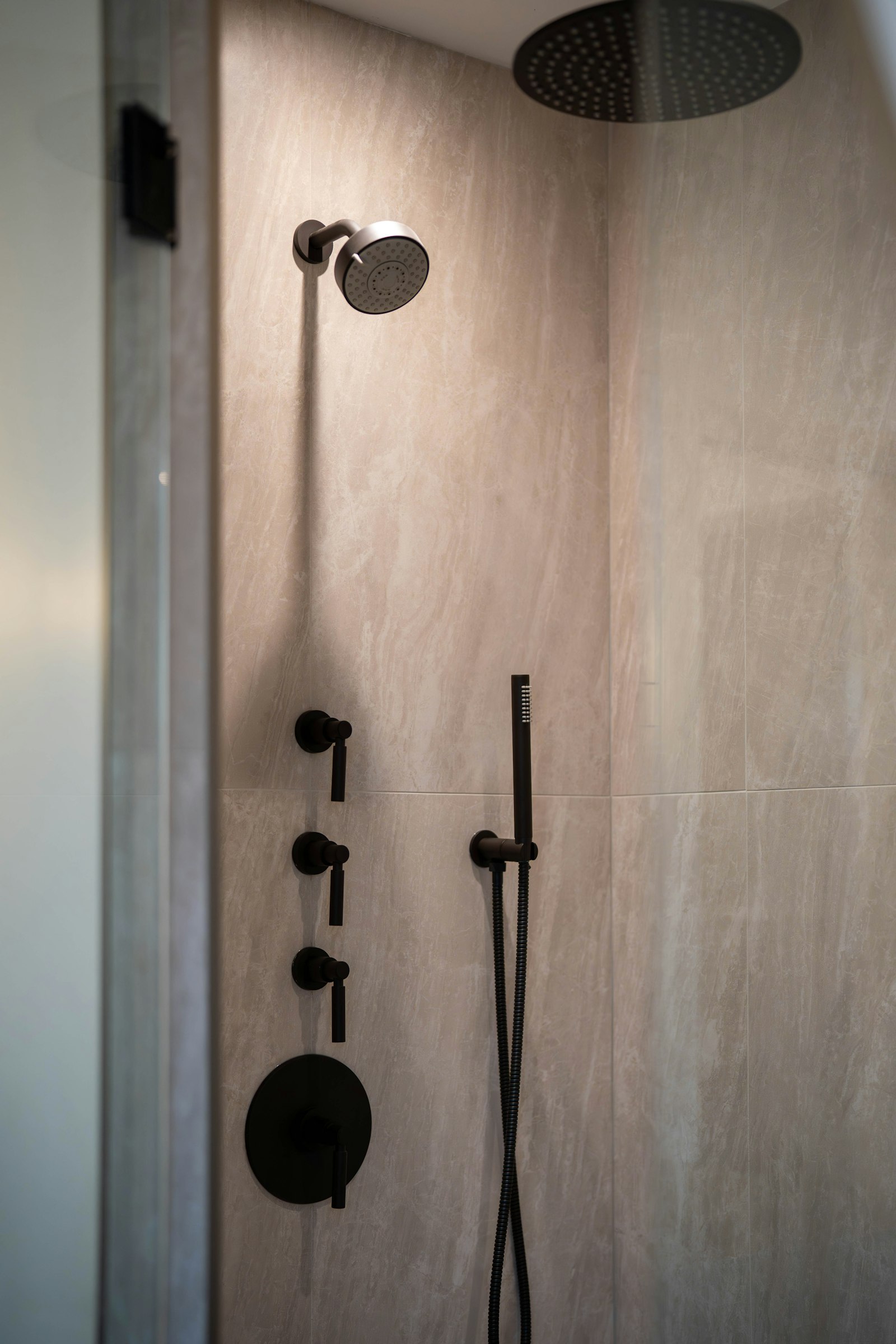
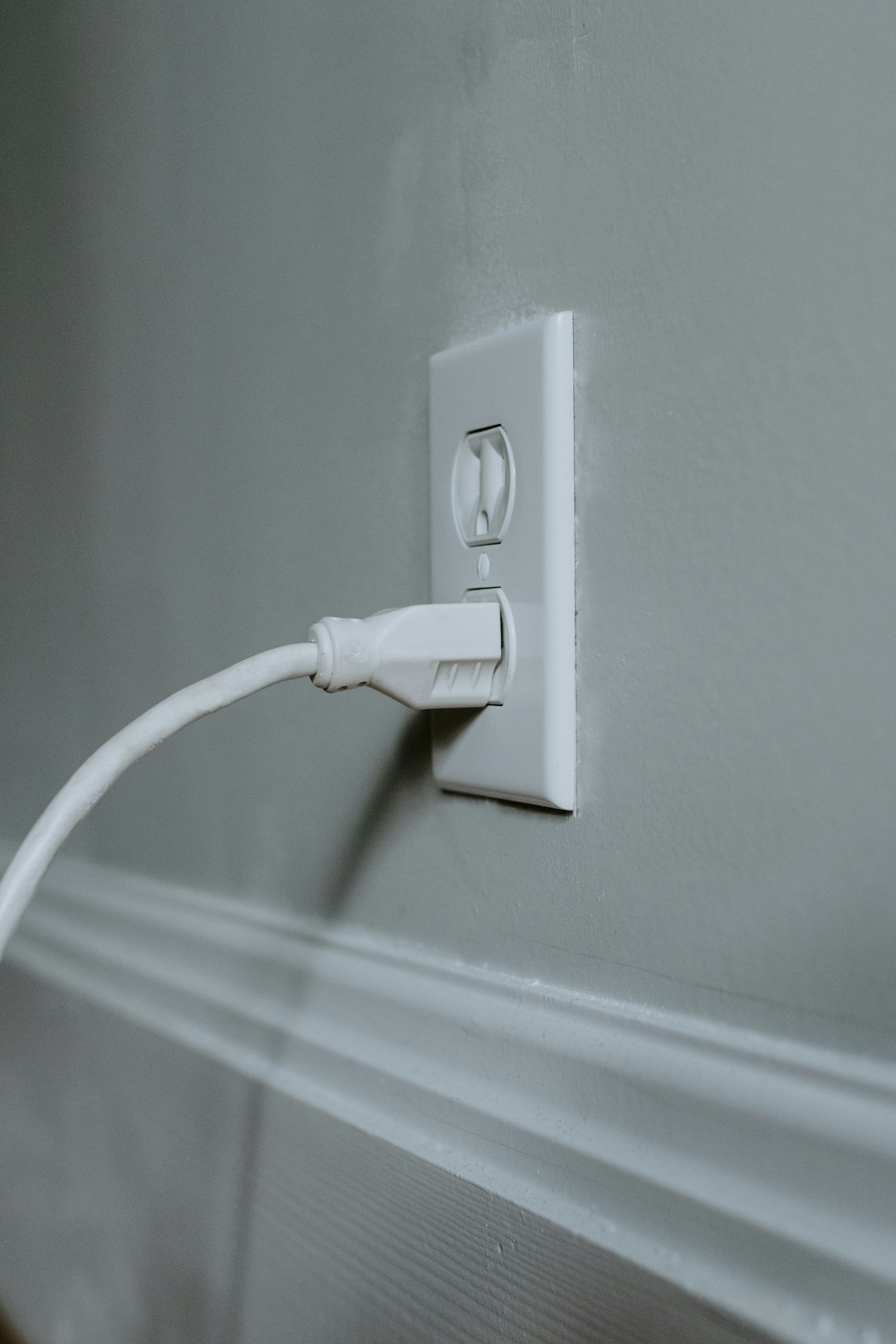
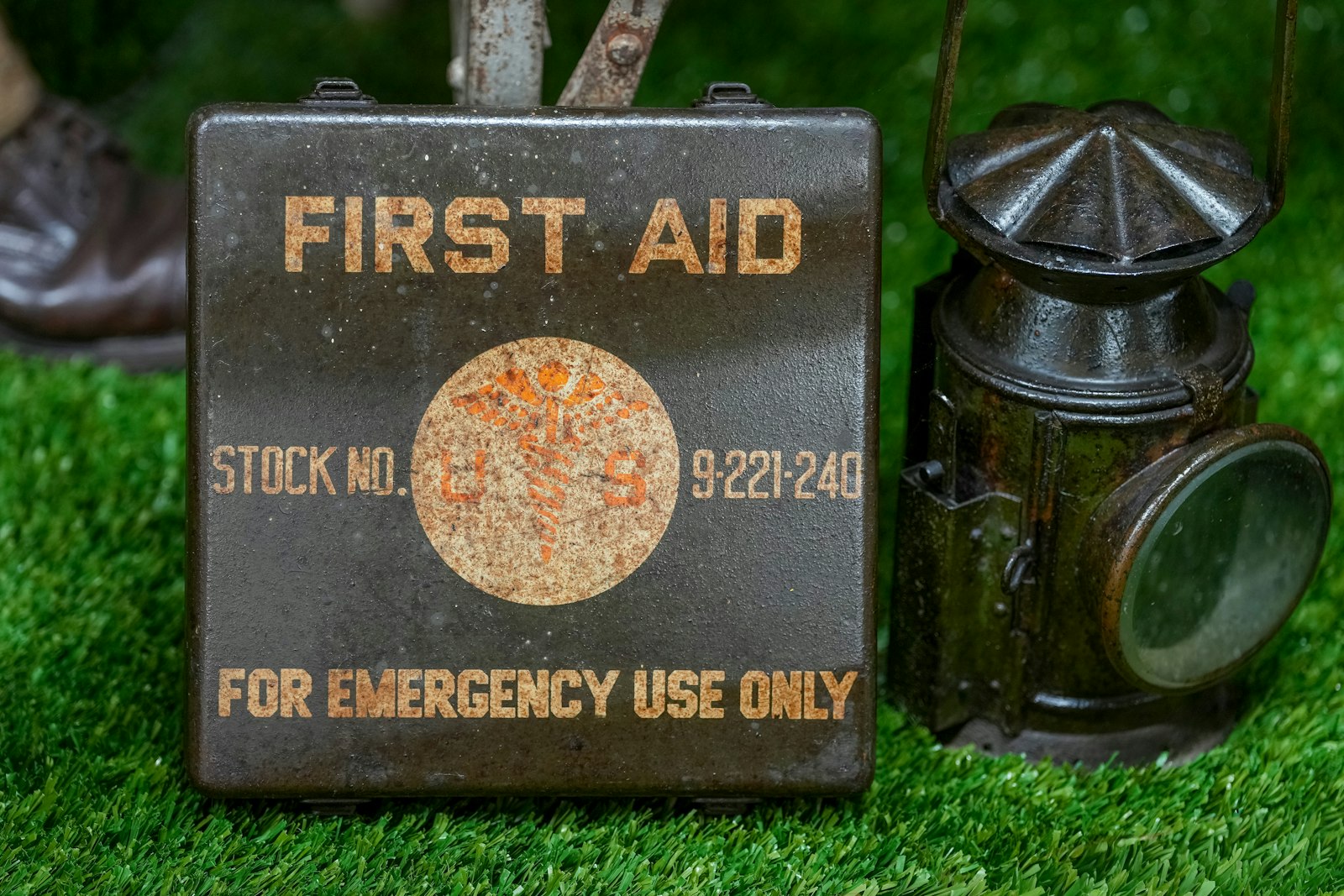
Full sourcing for these and the other 72 of 80 scored criteria is on the Evidence Base.
The demand is already here. It already decides who gets the booking.
Every incident on this page is a reason a facility should want independent verification. The numbers below are the reason it has to: travellers are not waiting for an incident to happen before they act — they are already screening for proof of safety before they book, and the data shows exactly how that screening changes a facility’s bookings.
What certification actually changes about a booking
This is the part a facility owner should read most carefully: these aren’t stated preferences from a survey about hypothetical hotels. They’re measured choices between real options, one certified and one not.
Figures from Tripadvisor/Hospitality Net research and Valpas’s own published summary; full citations on the Evidence Base.
Five years of data say this isn’t a passing mood
2020 — 85% of consumers wanted hotels to adopt enhanced safety protocols; 57% of US travellers said they’d pay more for enhanced cleaning; 48% said it would influence which hotel they chose (GlobalData; Honeywell/YouGov).
2021 — 93%+ of travellers expected a hotel to proactively outline its safety measures; 80%+ said they’d check a hotel’s protocols before booking; 57%+ said they’d pay more specifically for certified clean, not just clean (Hospitality Net/Knowcross).
2025–2026 — half of travellers now rank safety as their #1 destination priority, ahead of cost; 35% cite a major health concern when travelling; only 51% say they bother to research it themselves before booking (Global Rescue) — which is precisely the gap a visible, independent certification closes for the other 49%.
The business case in one sentence: demand for verified safety didn’t appear with COVID and didn’t fade when the headlines moved on — it hardened into a standing expectation, it already measurably decides which of two similar properties gets booked, and right now almost no facility in tourism has an independent, evidence-based way to prove it meets that expectation. That absence is the opportunity ASF Tourism exists to fill.
COVID-19 forced the industry to look. Then everyone looked away.
In 2020, for the first time at scale, tourism had to confront health and safety seriously. Three real responses followed. UN Tourism issued Global Guidelines to Restart Tourism — but the guidelines themselves point operators to WHO’s own interim guidance; UN Tourism gives direction, it doesn’t independently verify any specific facility follows it. WTTC launched the “Safe Travels” stamp — the most recognised safety mark in travel, and by its own description, self-assessed: an operator fills in a form. Five years on, guidance exists, a self-assessed stamp exists, and the world’s leading sustainability standard explicitly declines to cover this ground.
What never arrived is the thing healthcare has had since well before COVID: an independent body, structurally separated from the facilities it checks, verifying real evidence on-site against a published standard.
A model that already works, applied where it’s needed
ASF has run exactly this model for healthcare facilities since its founding in Paris in 2020 — real published standards, real on-site verification, real structural separation between the body that sets the standard and the body that decides who passes. In October 2026, ASF began adapting that same proven model to tourism and hospitality.
The result, built out across this site, isn’t a concept: it’s 80 scored criteria across 11 Standards, each with a real citation, a concrete pass/fail example, and — where a genuine skill is required, not just a document — a named training code already wired into a self-assessment tool anyone can try today, for free, right now.
This has been tried before — by us
The question isn’t new. On 9 May 2021, the Public Health Institute of Georgia convened the first conversation on exactly this problem, working with Sakartvelo’s Certified Guides Association (SCGA), the professional association for Georgia’s licensed tour guides. Over several months, the two organisations developed COVID-era accreditation concepts built for the facilities travellers actually depend on — a COVID-Accredited Tour, a COVID-Accredited Restaurant, a COVID-Accredited Hospital, a COVID-Accredited Transport designation — through technical working meetings, public events, podcasts, and articles making the case.
The pandemic created the urgency; once its acute phase passed, the work wasn’t carried forward as a standing programme at the time — but it was never abandoned. The standard kept being refined, and has since been piloted on the ground in two Tbilisi hotels: Castle in Old Town (La Résidence), owned by ASF’s founder and disclosed here for the same reason as other founder connections elsewhere on this site, and a second property that failed its assessment and asked not to be identified. That refusal is itself the point — a standard only means something if a real facility can fail it.
ASF Tourism picks up a five-year-old conviction, built on the same partnership between a public health institute and the tourism sector it was always meant to serve — not an idea reached for because tourism safety happens to be topical now.
A track record, not a pitch deck
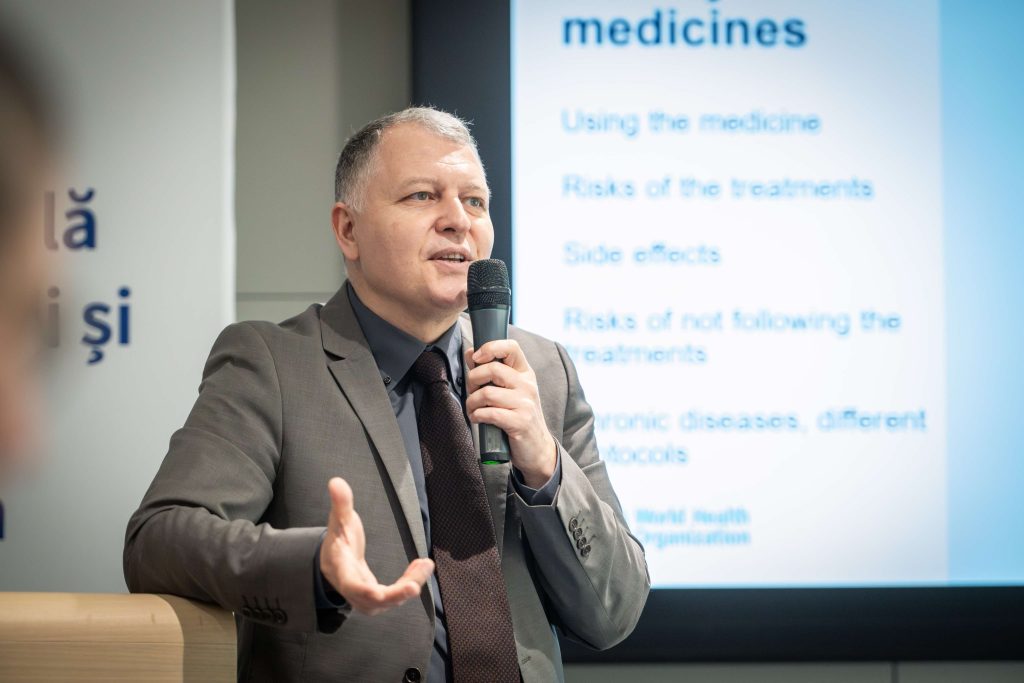
Source: PHIG/ASF internal records — figures as of October 2026.
What ASF Tourism is not
Not a replacement for national classification, star-rating, or any tour operator association’s own code of conduct. It sits alongside both.
Not another sustainability label. Over 200 of those already exist. This covers the one thing almost none of them do.
Not a self-declared stamp. Real evidence, reviewed by a real person, not a form an operator fills in about themselves.
Not finished. No local partner is confirmed anywhere yet. This is a serious, evidence-built proposal — stated honestly, not oversold.
See it for yourself
Try the free self-assessment against your own property, or go straight to the full standard with every citation attached.
Try the Self-Assessment →
Read the Full Standard
⬇ Download this page as a PDF
▸ View the 7-slide presentation
← Back to ASF Tourism overview